
12 Unexpected Ideas to Make a Small Living Room Feel Bigger and Brighter
Painting everything white and hanging a mirror is sound advice, but it is hardly new. If your living room is compact, or your windows are modest, as in many British terraces, flats and new-builds, the most effective solutions often come from other cultures and from recent technology. Below are twelve ideas with practical notes on how to bring each one into a UK home.
Borrowed from around the world
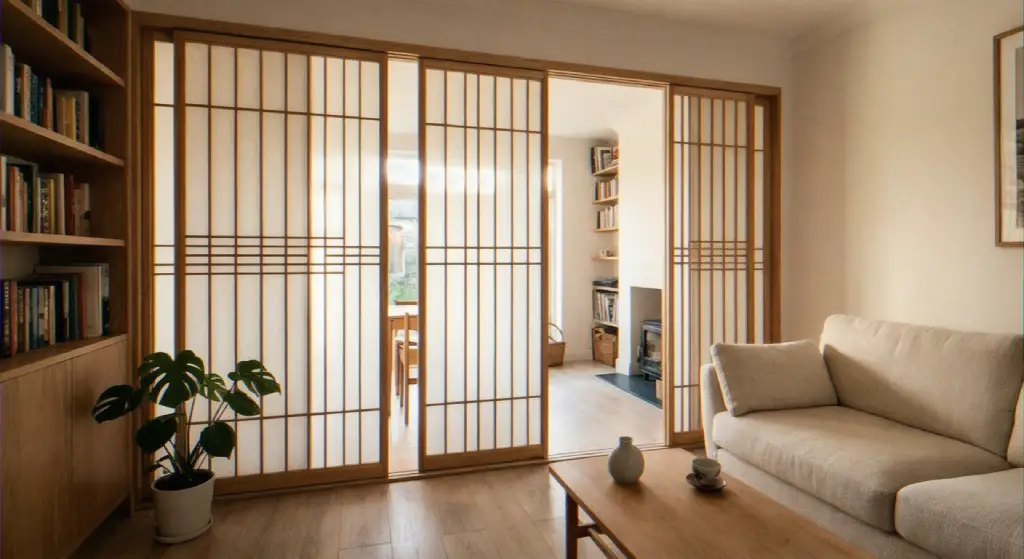
1. Shoji-style sliding screens (Japan)
Traditional Japanese shoji screens use a wooden lattice covered in translucent paper, so light passes through while the view is softened. Replace a solid door or divider with a sliding panel in frosted glass or a paper-effect material to let daylight travel deeper into the room. Slim-profile tracks suit tight spaces because there is no door swing.
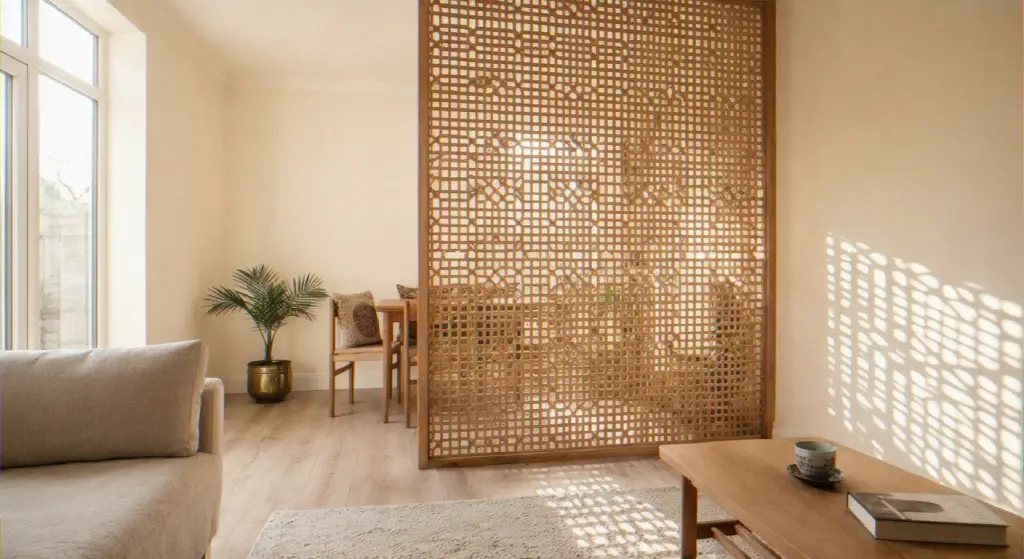
2. Jaali-inspired screens (India)
A jaali is a carved lattice screen found in Indian architecture, designed to filter light and air. A laser-cut metal or MDF panel works as a modern version: it separates a dining nook or hallway without blocking light, and casts patterned shadows that add depth. Paint it in a pale tone to keep it airy.
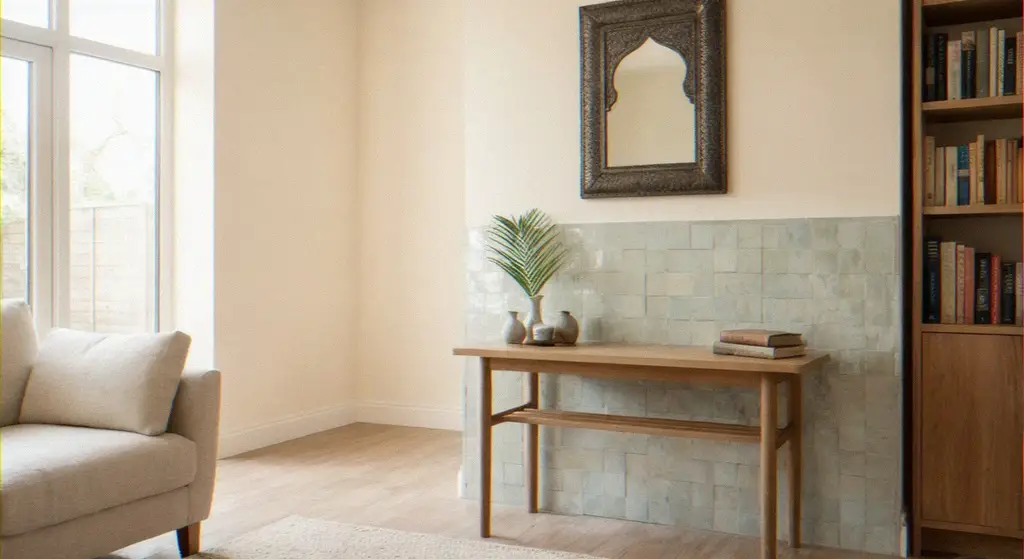
3. Zellige tiles (Morocco)
Zellige tiles are handmade glazed tiles whose slightly uneven surface scatters light rather than reflecting it flatly. Use them on a fireplace surround or a narrow wall panel in a pale shade. They add richness without visual weight, and a small area is enough.
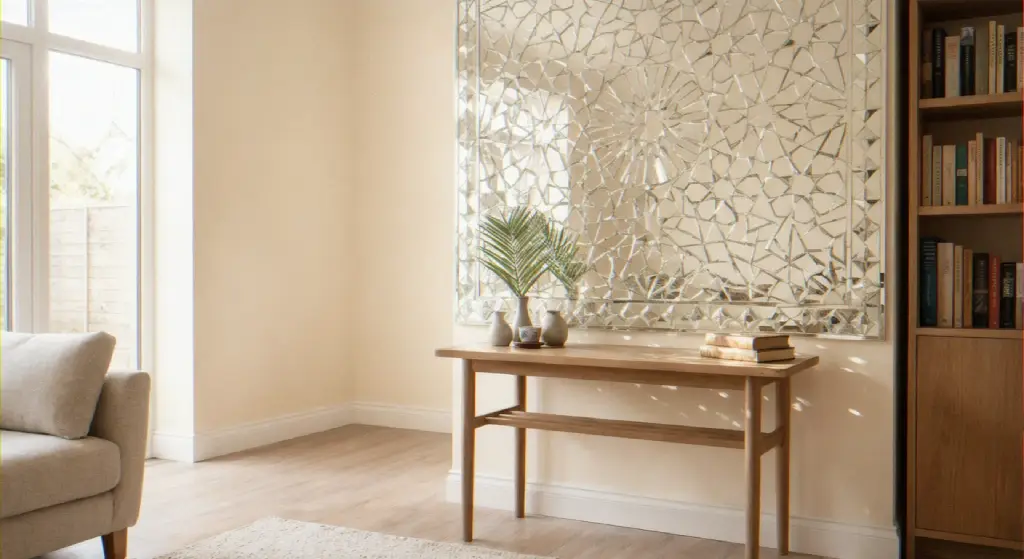
4. Mirror mosaic (Iran)
Iranian mirror work, known as aina-kari, covers surfaces in small mirror pieces that break light into sparkle. You need only a restrained touch: a faceted mirror panel or a few geometric mirror tiles behind a console will bounce light around the room. Position it to catch window light, not artificial glare.
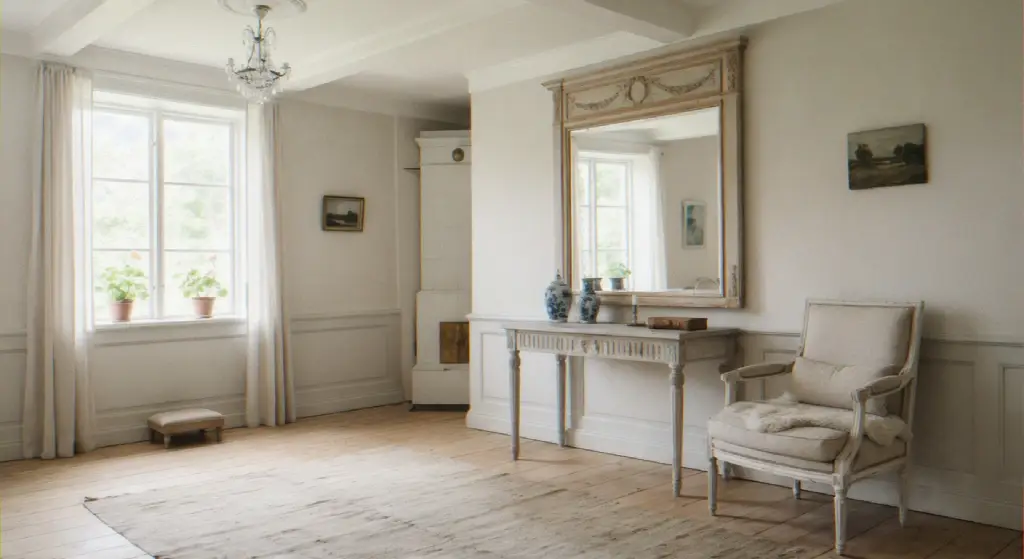
5. A Gustavian palette (Sweden)
The Gustavian style of eighteenth-century Sweden paired pale, chalky colours with large mirrors to stretch limited daylight. Today, check the Light Reflectance Value (LRV) on the paint tin: higher numbers mean more light is reflected. Choose a soft off-white or pale grey for walls and ceiling, then hang a mirror opposite or beside the window.
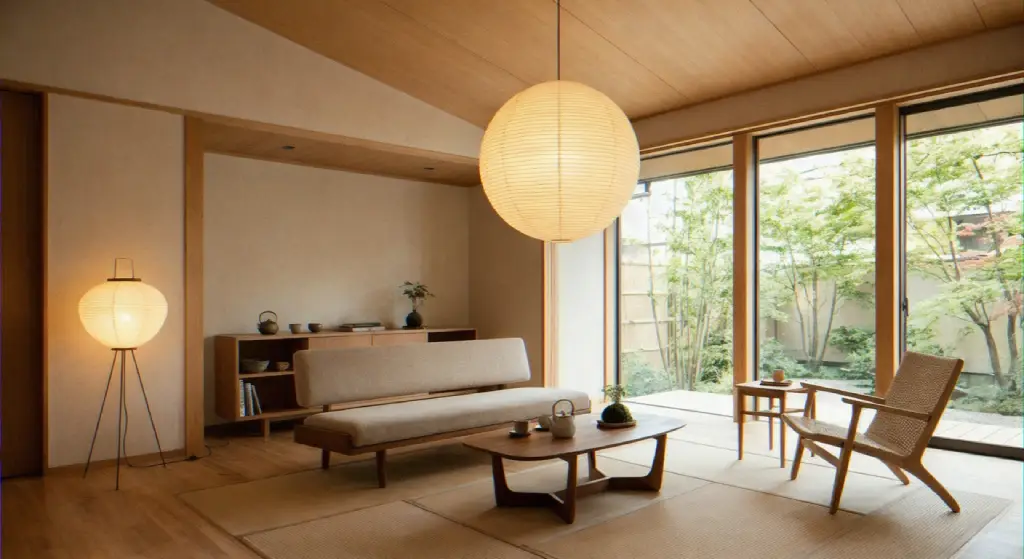
6. Akari-style paper lanterns (Japan)
Designer Isamu Noguchi began making his Akari paper light sculptures in 1951, and their diffused glow remains influential. A large paper or fabric pendant gives even, shadow-free light, which makes corners feel less cramped. Fit an LED bulb, as paper shades and hot bulbs are a poor match.
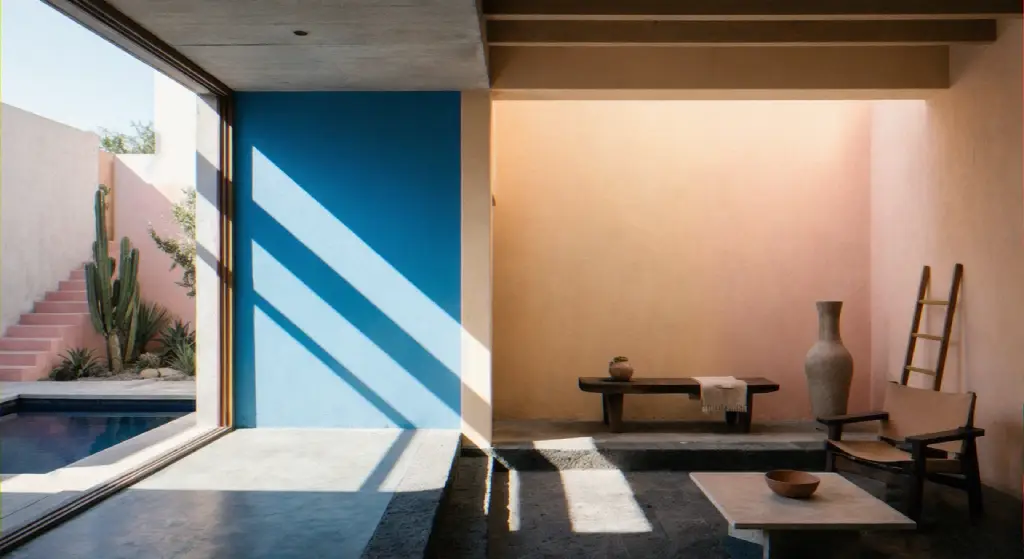
7. A warm colour wall (Mexico)
The Mexican architect Luis Barragán was celebrated for bold colour planes and carefully controlled light. Rather than going all white, try one warm, pale wall, such as soft apricot or blush, on the side that receives the least sun. It reflects a gentle glow and gives the eye a point of depth.
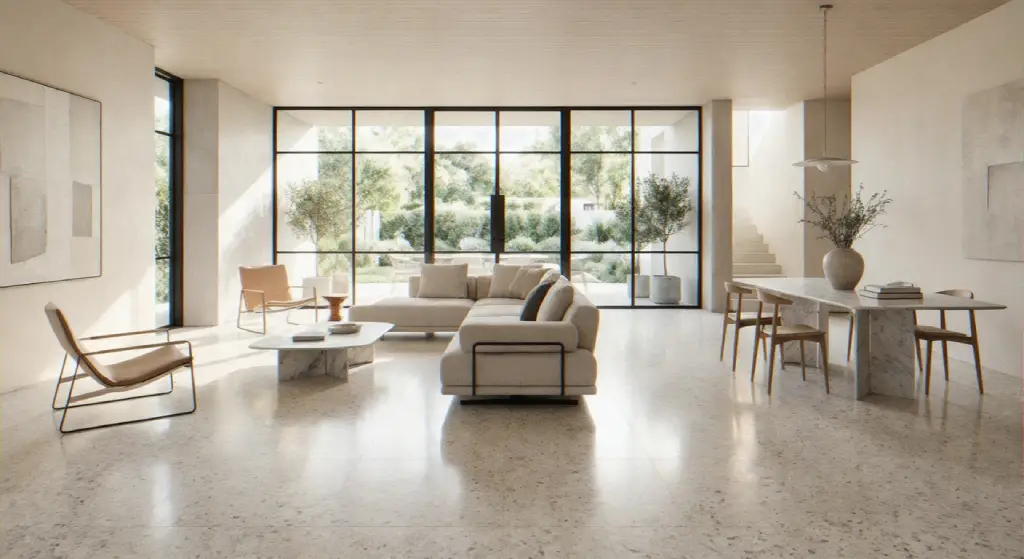
8. Polished terrazzo or pale floors (Italy)
Terrazzo, a speckled composite of stone chips, has deep roots in Italy. A pale, polished floor or a terrazzo-effect tile reflects light upwards and reads as one continuous surface. If you rent, a large pale rug in a low-pile weave creates a similar effect.
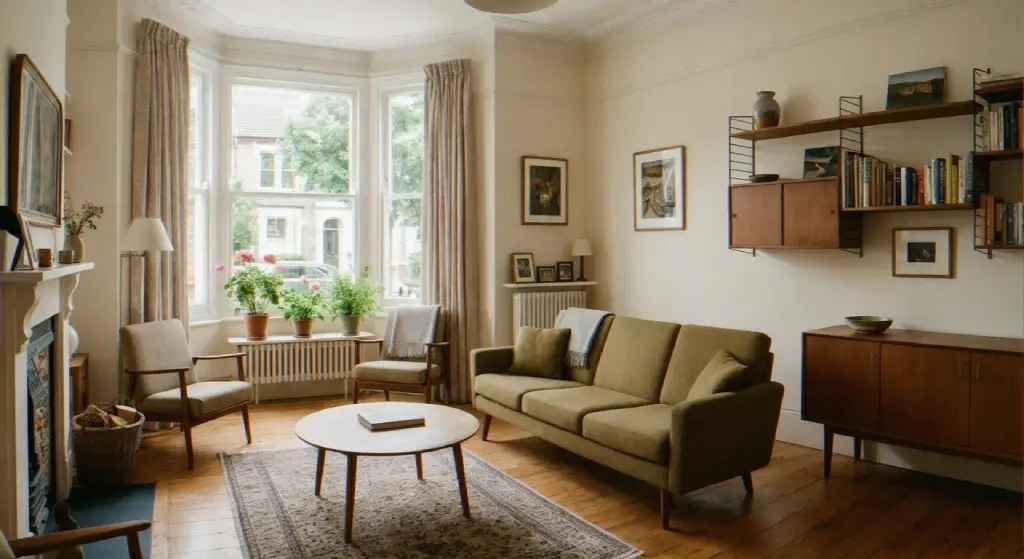
9. Furniture on slender legs (Denmark)
Danish mid-century design favoured raised, tapered legs. Seeing the floor continue beneath a sofa or sideboard makes a room feel less crowded. Choose pieces with at least a hand's width of clearance, and keep storage wall-hung where you can.
Powered by technology
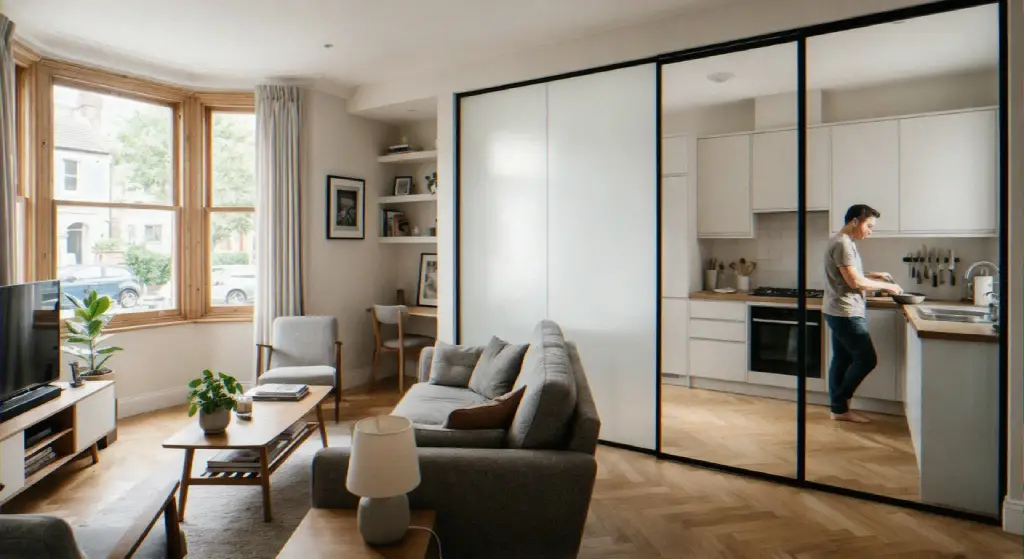
10. Switchable smart glass
Smart glass, often based on a film that changes from clear to frosted when electricity is applied, replaces curtains and internal doors. Use it between a kitchen and living area for privacy on demand and light all day. Ask a qualified glazier about safety glazing and installation.
11. Tuneable white lighting
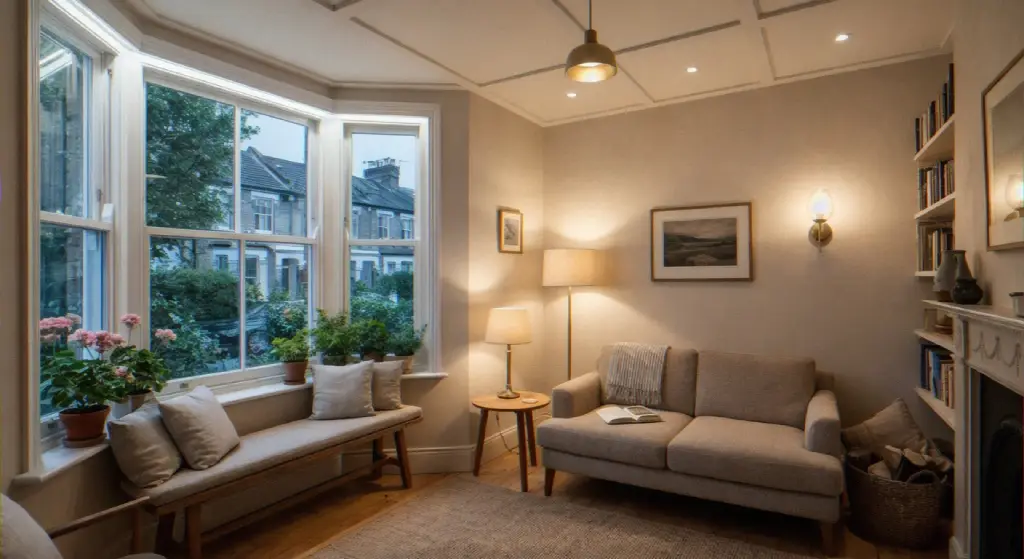
Smart LED bulbs can shift between warm light (around 2,700K) and cooler daylight tones (up to roughly 6,500K). Set a cooler tone by day to echo natural light and a warmer one in the evening. Layer three sources at different heights, not one central pendant, so that the ceiling is not the only thing lit.
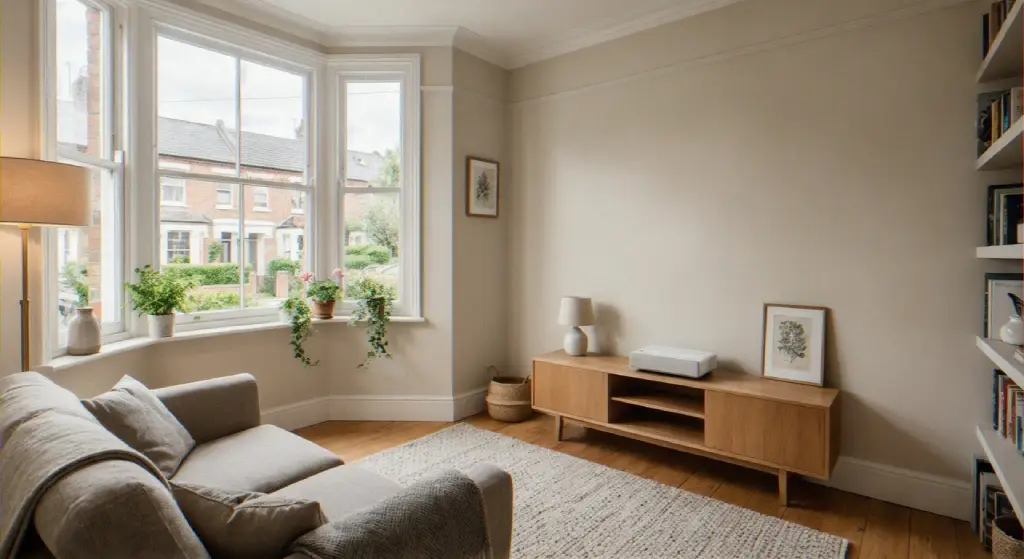
12. Ultra-short-throw projectors and art-mode TVs
A black television is a dominant rectangle in a small room. An ultra-short-throw projector sits close to the wall and clears it when off, though in bright rooms it needs an ambient-light-rejecting screen. Alternatively, choose a TV with an art mode that displays pictures when not in use.
How to choose where to start
You do not need all twelve. Pick one idea for light (a pale palette or a mirror), one for structure (a screen or raised furniture) and one for atmosphere (lighting or a single colour wall). In period properties, check conservation or leasehold rules before altering windows, doors or walls.
Frequently asked questions
Do mirrors really make a small living room look bigger?
Yes, when well placed. A mirror opposite or beside a window reflects daylight and extends the view; one facing a cluttered corner simply doubles the clutter.
Is white always the best colour for a small room?
No. Light, warm shades with a high LRV often feel more inviting than stark white, especially in north-facing rooms.
Planning a small living room makeover? Talk to the FOF Studio team about a design tailored to your space.